Oct 6, 2026Buying Guides
Pizza Stone vs. Baking Steel: Which Should Your Brand Stock?
Cordierite pizza stones and carbon steel baking steels both promise a crisp crust — but they fit different buyers, price points and channels. A sourcing-side comparison for B2B sellers.
Every pizza brand eventually faces the same shelf decision: stone or steel. Both sit under the dough and both promise the crisp, browned bottom crust that a bare oven rack cannot deliver — but they behave differently, target different users, and price at different tiers. If you are building a pizza accessories line, here is the comparison your buyers will ask about, answered from the sourcing side.
How a Cordierite Pizza Stone Works
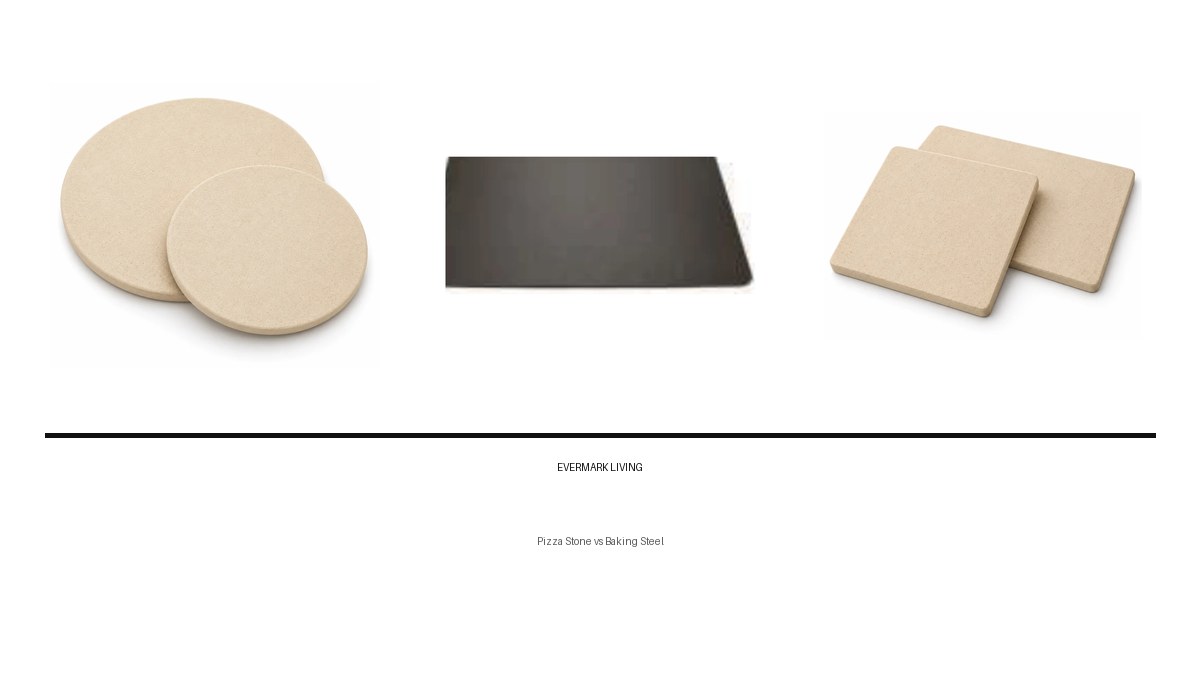
A pizza stone is aporous ceramic slab, usually cordierite, that does two things well:
Absorbs moisturefrom the dough surface through tiny pores, drying the base for a crisp crust.
Resists thermal shock, so it can go into a hot oven or straight onto grill grates — cordierite is the standard material for stones sold for BBQ and grill use.
Our cordierite line covers the full size ladder:round stones from 8 to 18 inches(Ø203–455 mm) with10, 12, 15 or 20 mm thickness, plus rectangular formats up to523×720 mmand square formats from190 to 440 mm. Thickness is the upsell story: thicker slabs store more heat and recover faster after each pizza, which is the difference home-pizza enthusiasts notice most. LFGB food-contact certification is available for the stone line.
How a Baking Steel Works
A baking steel replaces the ceramic slab with a3.5 mm carbon steel plate with a non-stick coating. Steel conducts heat roughly opposite to stone: it does not absorb moisture, but ittransfers heat into the dough far faster, which produces the fast, intense base browning behind leopard-spotted Neapolitan-style crusts.
The trade-offs are exactly what buyers expect:
Faster bakes and stronger browningthan stone at the same oven temperature.
Practically unbreakable— no thermal-shock cracking, which removes the most common stone complaint (and the most common returns reason).
Doubles as a griddleon a BBQ or stovetop, which widens the use case beyond pizza.
Heavier per sizethan a stone, which matters for freight-sensitive channels.
Our baking steel line runsfive sizes from 35.5×35.5 cm up to 55.9×35.5 cm, all 3.5 mm carbon steel.
Which One Fits Which Buyer
Mass retail and gift programs:cordierite stones — low entry price, broad size range, familiar to mainstream shoppers.
Pizza enthusiasts and premium housewares:baking steel — performance story, unbreakable, premium price point.
BBQ and outdoor channels:stones for grill use plus steels marketed as grill griddles cover both ends.
Food service:rectangular stones and large steels for deck-oven style baking.
Many brands stock both under one brand story: "stone for the classic bake, steel for the upgrade." The two products rarely cannibalize each other because they sit at different price tiers.
Custom Sizes Are the Real Differentiator
Stones and steels are category entries wherecustom sizing is cheap to request and hard for small competitors to match. We produce stones to custom diameter, length and thickness, and baking steels to custom size and shape — including oven-specific formats sized to a named oven model. For distributors with their own market data, that turns a commodity listing into an exclusive.
What to Confirm Before Ordering
Material statements in writing— cordierite grade for stones; carbon steel, coating type and plate thickness (3.5 mm) for steels.
Thermal-shock and food-contact certificatesreferenced to the exact model (LFGB available on the stone line).
Size table and packaging— stones need edge protection; steels need flat-carton planning because of weight.
Sample bake test— crust color and bake time are the demo that sells these products in retail training.
Talk to Evermark Living
Evermark Living supplies cordierite pizza stones in round, square and rectangular formats and carbon steel baking steels from 3.5 mm plate, both withcustom sizes, shapes, logos and packagingfor B2B buyers.Send us your target oven sizes and price tierthrough our contact page, and we will return a recommended stone/steel matrix with samples.