Jul 4, 2026Buying Guides
Where Can Heat Powered Stove Fans Be Used?
See how heat powered stove fans can be used with wood stoves, log burners, fireplaces, cabins, workshops and winter camping stoves.
Where Can Heat Powered Stove Fans Be Used?
A heat powered stove fan is a simple product, but it can fit many heating scenarios.
Most people first think of home wood stoves or log burners. That is still the main market. But for buyers, the product can also be used in cabins, cottages, workshops, hot tents and small portable wood stove setups.
This guide shows the main applications of heat powered stove fans, so distributors, retailers and private label buyers can choose the right product direction for their market.
1. Home Wood Stoves
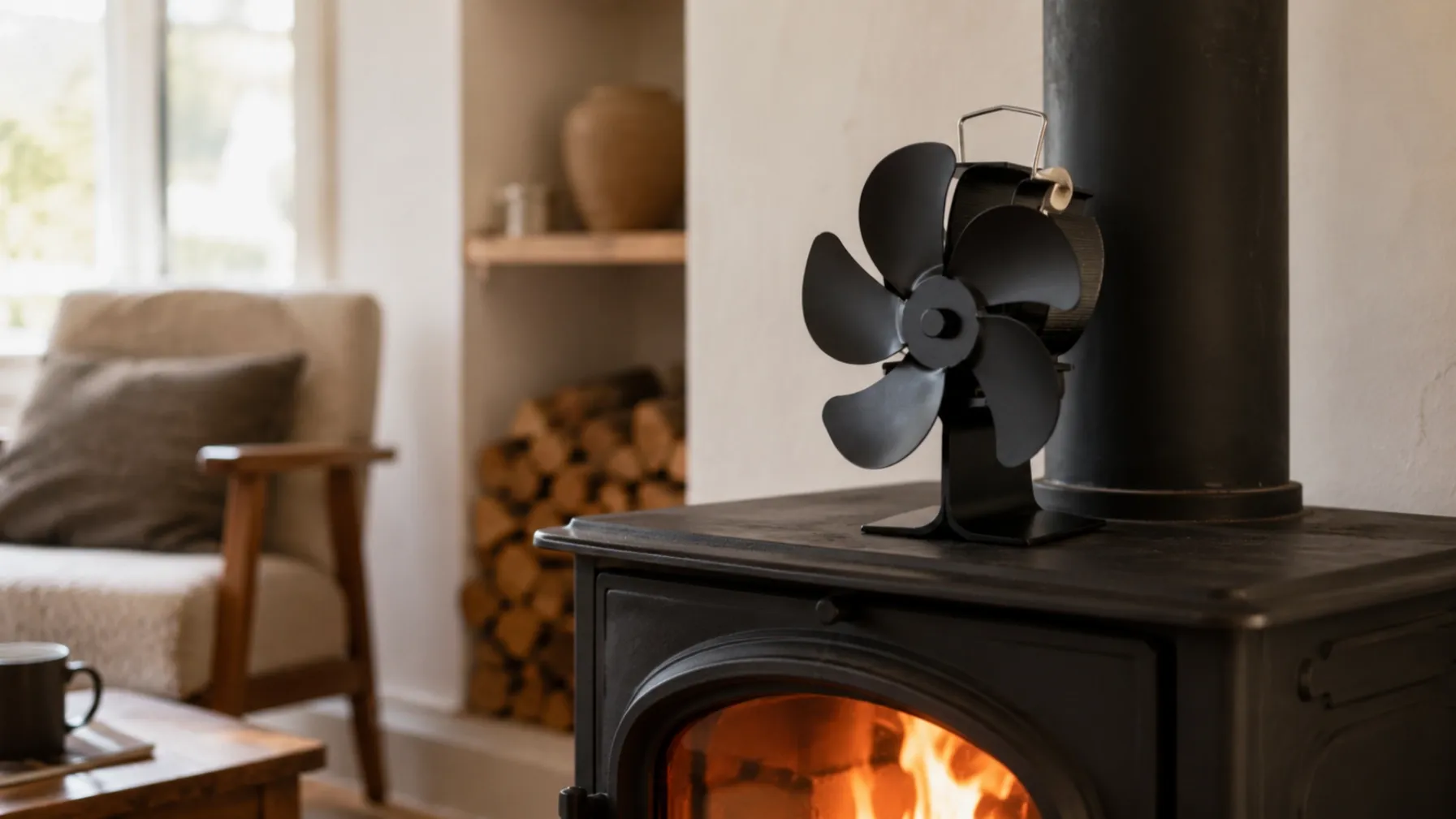
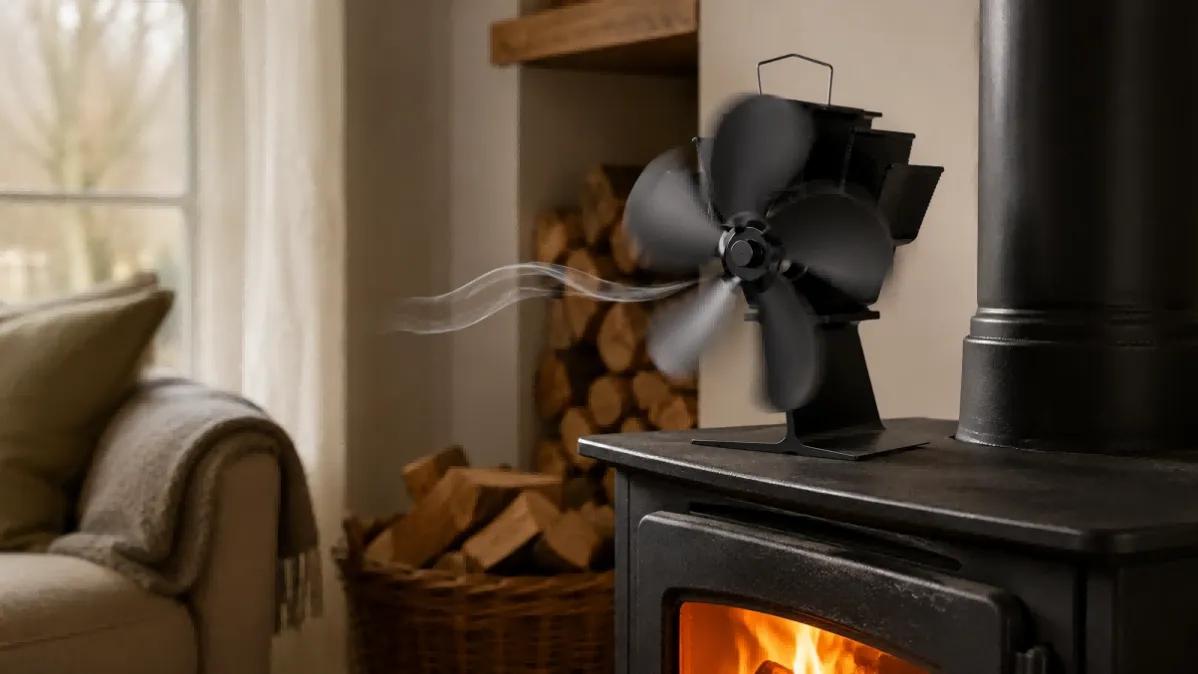
Home wood stoves are the most common use for heat powered stove fans.
The fan sits on top of the stove and uses heat from the stove surface to run. It does not need batteries or an external power supply.
For end users, the value is easy to understand:
- No electricity needed
- Quiet operation
- Easy to place on the stove top
- Helps move warm air from the stove area more evenly
- Works well as a practical home heating accessory
For buyers, this is usually the safest starting point.
If your customers sell to households, rural homes, fireplace shops or heating accessory stores, a black stove-top fan is a good basic model to start with.
2. Log Burners
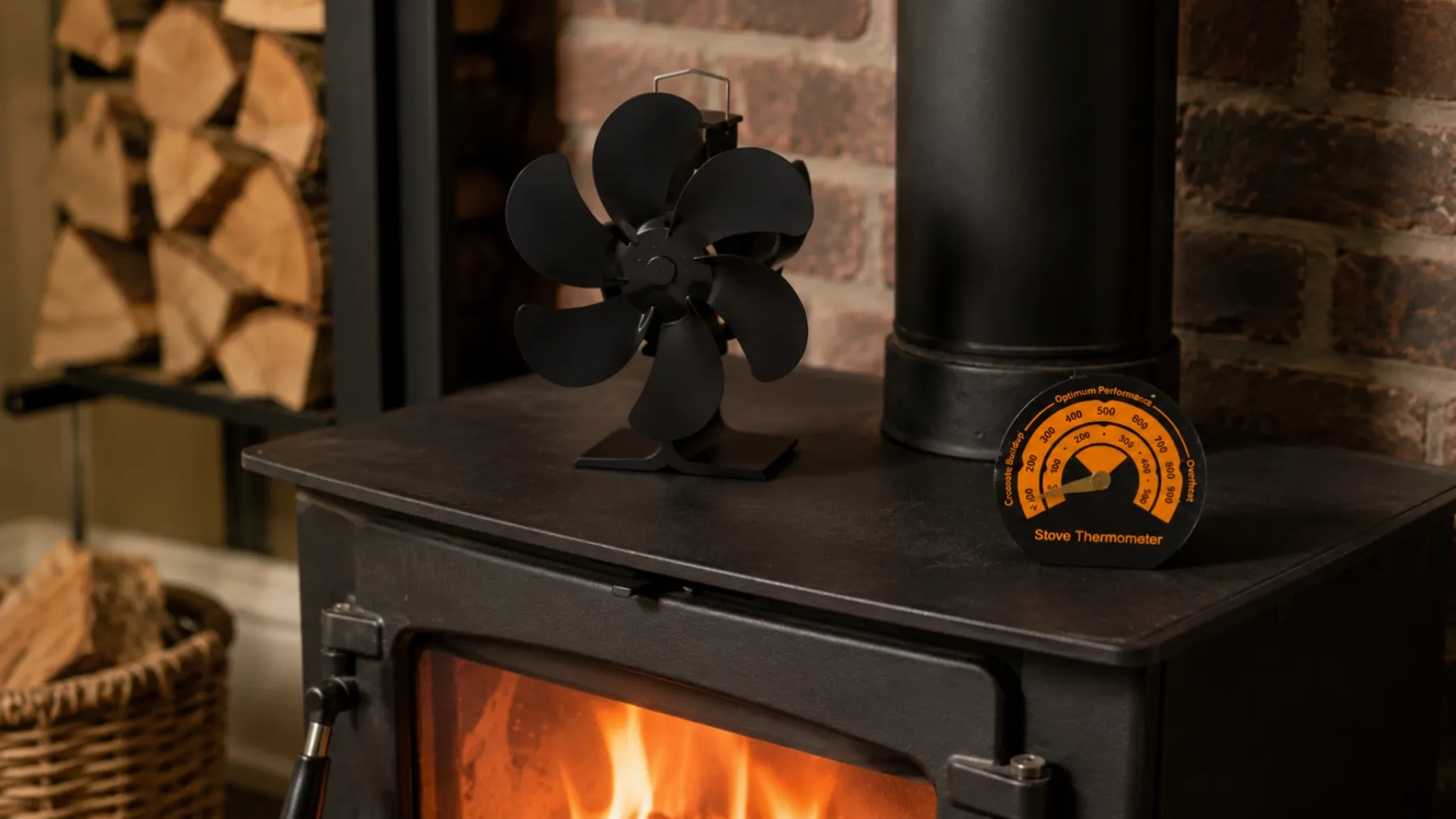
In the UK and European markets, “log burner” is a very common customer search term.
Many log burner users look for small accessories that make the stove area more comfortable and easier to use. A stove fan fits this type of customer well because it is simple, visual and easy to explain.
Good product directions for log burner markets include:
Product Direction | Why It Fits |
|---|---|
Black stove-top fan | Matches most log burners |
5-blade or 6-blade model | Looks better for online and retail sales |
Stove fan with thermometer set | Helps users understand stove temperature |
Retail color box | Better for shops and e-commerce listings |
For log burner sellers, the product should look clean, practical and easy to display.
3. Fireplaces and Fireplace Accessory Shops
Heat powered stove fans can also work well as part of a fireplace accessory product range.
For fireplace accessory retailers, stove fans are useful because they are easy to add beside existing products such as:
- Stove thermometers
- Firewood tools
- Stove gloves
- Fireplace cleaning tools
- Log baskets
- Fire starters
- Other winter heating accessories
This makes stove fans suitable for add-on sales.
For a retail shop or distributor, the product does not need a long explanation. Customers can understand the use quickly when they see the fan placed on a stove or shown with a thermometer set.
4. Cabins and Cottages
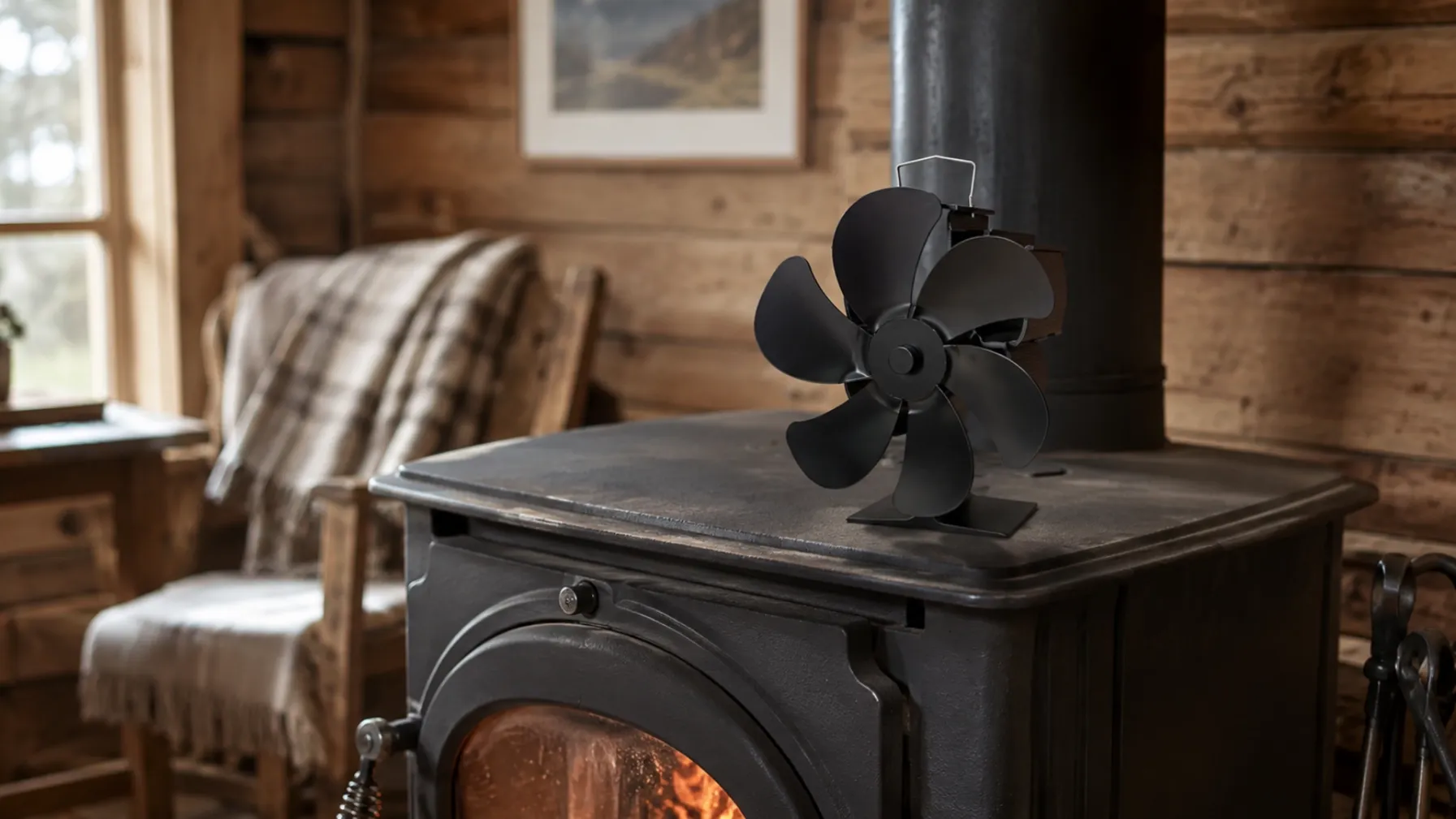
Cabins and cottages are another good application.
Many cabin owners care about practical heating products. They often want products that are simple, durable and not dependent on electricity.
A heat powered stove fan can be positioned as a useful accessory for:
- Wooden cabins
- Country cottages
- Rural homes
- Holiday homes
- Off-grid heating setups
For this market, black stove-top models are usually enough. The design should be simple and durable rather than too decorative.
If the customer sells home heating or cabin lifestyle products, stove fans can fit naturally into their winter product range.
5. Workshops and Small Rooms
Some users place wood stoves in workshops, garages, sheds or small rooms.
In these spaces, users usually care more about function than decoration. They want something simple, quiet and easy to use.
For this market, buyers can consider:
User Type | Suggested Product |
|---|---|
Workshop users | Simple black stove-top fan |
Garage users | Durable basic model |
Small room users | Compact stove fan |
Price-sensitive buyers | 4-blade or basic model |
This is not always the most premium market, but it can be useful for wholesalers or distributors who sell practical heating products.
6. Hot Tents and Winter Camping Stoves
This is where the product connects with outdoor living.
For winter camping, hot tents and portable wood stoves, users often have smaller stove tops. A regular stove-top fan may not always fit well.
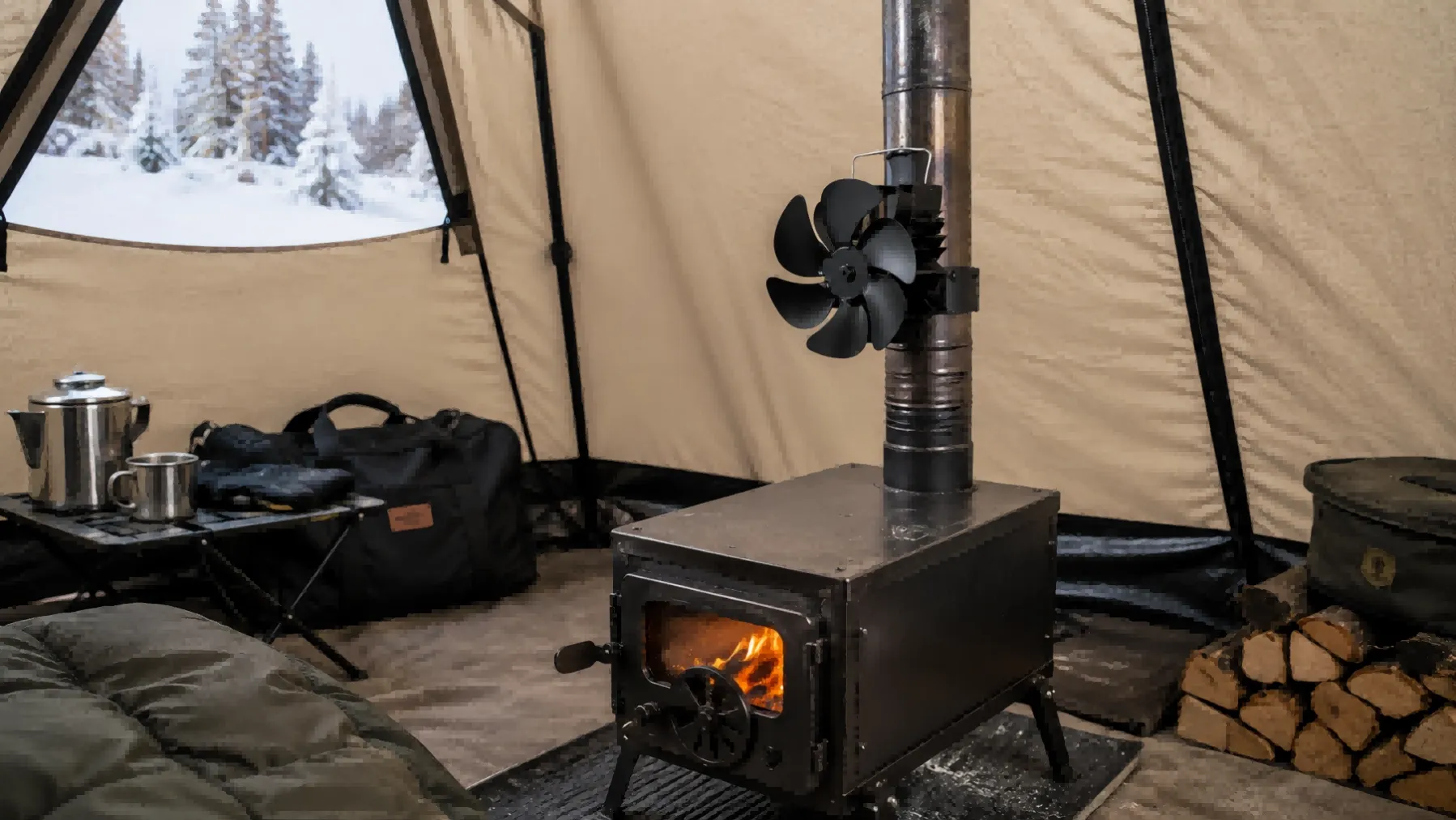
In this case, compact models, pipe mounted stove fans or magnetic stove fans may be better choices.
Good applications include:
- Hot tents
- Winter camping stoves
- Portable wood stoves
- Small tent stove setups
- Outdoor cabin-style heating
For outdoor and camping buyers, it is better not to promote every stove fan model as a camping product. The product should be matched to the stove size and installation space.
Pipe mounted and magnetic models are more suitable for this direction.
7. Small Stove Tops and Pipe Mounted Use
Some stoves do not have enough flat space on top.
This is where pipe mounted stove fans become useful.
A pipe mounted stove fan can be attached to the stove pipe, so it does not take up space on the stove surface. This makes it suitable for:
- Small wood stoves
- Narrow stove tops
- Tent stoves
- Portable stoves
- Some special stove layouts
For buyers, this type of product is useful as a differentiated model. It is not only another fan style. It solves a different use problem.
If your market already has many regular stove-top fans, pipe mounted models can help create a more complete product range.
Which Application Should Buyers Start With?
For most buyers, it is better to start from the main market first.
Buyer Type | Recommended Starting Point |
|---|---|
Online seller | Black 6-blade stove fan with thermometer set |
Fireplace accessory wholesaler | Mixed stove-top models |
Retail shop | Stove fan + thermometer + color box |
Cabin product seller | Black durable stove-top fan |
Outdoor / hot tent seller | Pipe mounted or compact stove fan |
Private label buyer | Stable model with branded packaging |
Do not start with too many applications at once.
A clean first range is easier to explain, easier to stock and easier to test.
How Evermark Living Supports Different Applications
Evermark Living supplies practical home heating and outdoor living accessories for global buyers. Our first product line focuses on heat powered stove fans.
For different markets, we can help buyers prepare:
- Stove-top fan models
- Pipe mounted stove fan options
- Magnetic stove fan options
- Stove fan with thermometer sets
- Mixed model trial orders
- Neutral packaging
- Retail color box packaging
- Private label packaging
- Product photos and basic specifications
The goal is not to sell every model to every buyer.
The goal is to help buyers choose the right product for the right use.
FAQ
Can heat powered stove fans be used on wood stoves?
Yes. Wood stoves are one of the most common applications. The fan sits on the stove top and uses heat from the stove surface to run.
Are stove fans suitable for log burners?
Yes. Log burners are a strong market for stove fans, especially in the UK and European heating accessory channels.
Can stove fans be used in cabins?
Yes. Stove fans are suitable for cabins, cottages and rural homes where wood stoves are commonly used.
Are stove fans suitable for hot tents?
Some models are suitable, but not all. For hot tents or portable wood stoves, compact, pipe mounted or magnetic stove fans may be better.
What is a pipe mounted stove fan used for?
A pipe mounted stove fan is useful when the stove top is too small or when the user wants to keep the stove surface free.
What is the best application for first-time buyers?
For most buyers, the safest starting point is a black stove-top fan for wood stoves or log burners. A thermometer set can be added for retail and online sales.
Looking for Stove Fan Models for Your Market?
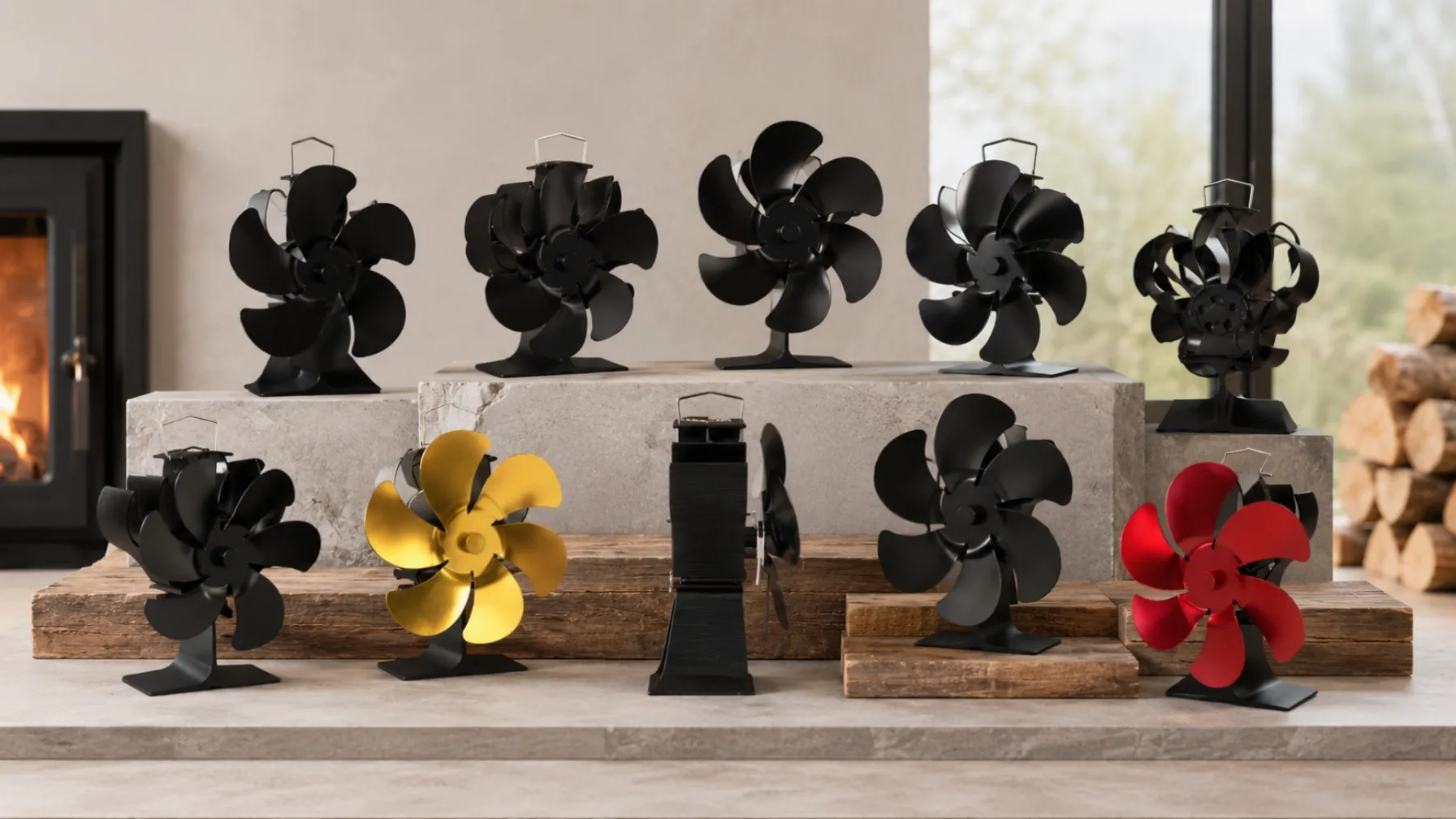
Tell us your target market and sales channel.
Evermark Living can help you choose suitable heat powered stove fan models for home heating, fireplace accessories, cabins, workshops or winter camping applications.
Contact us to request a stove fan catalog or product recommendation.